

The Internet of Things (IoT) is revolutionizing the way we interact with our living spaces, transforming ordinary homes into smart, connected environments. As technology advances, the potential applications of IoT in smart home development continue to grow, offering enhanced convenience, security, and energy efficiency. In this article, we will explore various applications of IoT in smart homes, highlighting how these technologies can create intelligent living spaces that cater to our everyday needs.
Understanding IoT in Smart Homes
At its core, IoT refers to the interconnectivity of everyday devices via the internet, allowing them to send and receive data. In the context of smart homes, this means household devices can communicate with one another, providing homeowners with unprecedented control and automation. The integration of IoT in smart home development not only enhances user experience but also contributes to sustainability by optimizing energy consumption.
Key Applications of IoT in Smart Home Development
1. Smart Lighting
Smart lighting systems allow homeowners to control their lights remotely. Here are some of the key features:
- Remote access via smartphone apps
- Voice control through smart assistants like Amazon Alexa or Google Assistant
- Automated scheduling to adjust lighting based on time of day
- Energy-efficient LED bulbs that can be dimmed or brightened according to need
These features not only enhance convenience but also help lower electricity bills and reduce carbon footprints.
2. Smart Thermostats
IoT-enabled thermostats can learn homeowners’ habits and adjust heating and cooling settings accordingly. Key benefits include:
- Energy savings through optimized temperature control
- Remote temperature monitoring and adjustments via mobile devices
- Integration with weather forecasts to adjust settings dynamically
With smart thermostats, users can maintain comfort while minimizing energy waste.
3. Home Security Systems
IoT technology has significantly improved home security. Modern security systems offer:
- 24/7 monitoring through connected cameras and sensors
- Real-time alerts for unusual activities
- Remote access to view live feeds and control alarm systems
- Integration with other smart devices for a comprehensive security solution
The ability to monitor your home from anywhere enhances peace of mind for homeowners.
4. Smart Appliances
From refrigerators to washing machines, appliances equipped with IoT technology offer numerous advantages:
- Remote control and monitoring to ensure efficiency
- Automated alerts for maintenance or when supplies are running low
- Energy-efficient operation based on real-time usage data
Smart appliances simplify daily chores and contribute to energy conservation.
5. Voice Assistants
Voice-activated assistants serve as central hubs for smart home management. Their capabilities include:
- Controlling various smart devices through voice commands
- Setting reminders, timers, and alarms
- Providing information and entertainment on demand
By integrating voice assistants, users can easily manage their smart home ecosystem hands-free.
Benefits of IoT in Smart Home Development
The integration of IoT in smart home development brings about several benefits:
- Enhanced Convenience: Users can automate and control devices remotely, making daily tasks easier.
- Improved Security: Real-time monitoring and alerts help protect homes from potential threats.
- Energy Efficiency: Smart devices optimize energy usage, leading to lower utility bills and a reduced environmental impact.
- Increased Property Value: Homes equipped with smart technologies often see a rise in market value.
The Future of IoT in Smart Homes
The future of smart homes is bright, with continuous advancements in IoT technology. Emerging trends include:
- Greater interoperability between different devices and platforms
- Increased focus on security and privacy, particularly with the rise of Web3
- Integration of AI to further enhance automation and predictive capabilities
- Enhanced user interfaces for improved accessibility
As innovation continues, smart homes will become even more intuitive, allowing for seamless living experiences.
Visualizing the Smart Home Experience
To better understand how these technologies come together in a smart home, check out this informative video that showcases various IoT applications:
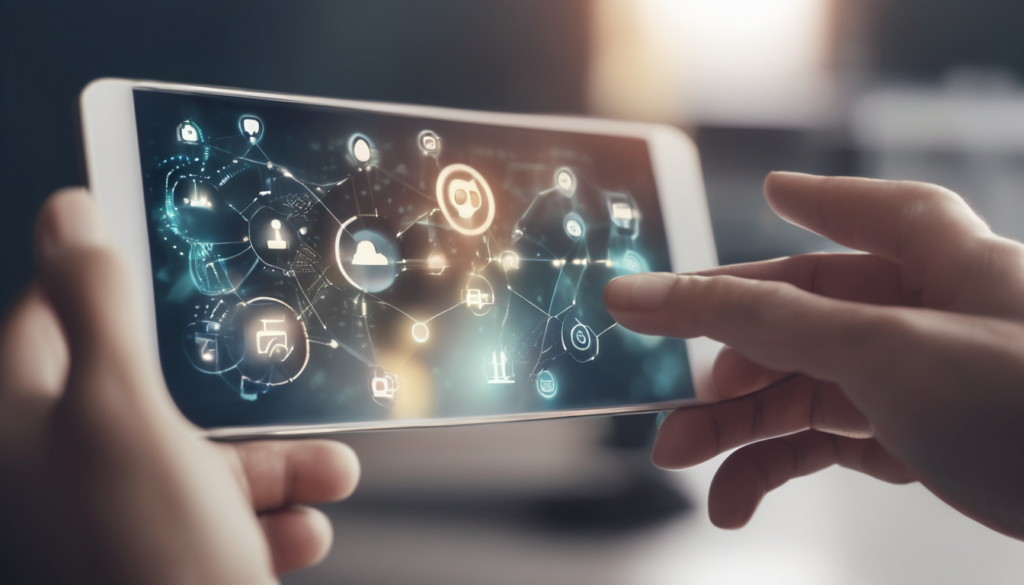
Additionally, here’s an infographic illustrating the interconnectedness of smart devices and their functionalities:
Frequently Asked Questions
Smart home technology primarily enhances convenience, allowing users to automate and control their home environment easily.
While smart homes can be vulnerable to cyber threats, implementing strong security measures, such as secure passwords and regular updates, can significantly mitigate risks.
Begin with a few essential IoT devices, such as smart bulbs and a hub, then gradually integrate additional systems as you become more comfortable.
Initial investment can vary, but many IoT devices are available at various price points, making them accessible for different budgets.
Yes, smart devices can optimize energy usage by adjusting settings based on real-time data, ultimately leading to lower energy bills.
Conclusion
The integration of IoT in smart home development unlocks a world of possibilities, making our living spaces more intelligent and responsive to our needs. As technology continues to evolve, embracing these innovations can lead to a more convenient, secure, and sustainable lifestyle. If you’re ready to transform your home into a smart haven, start exploring the various IoT applications available today!