
Transforming Healthcare Through IoT
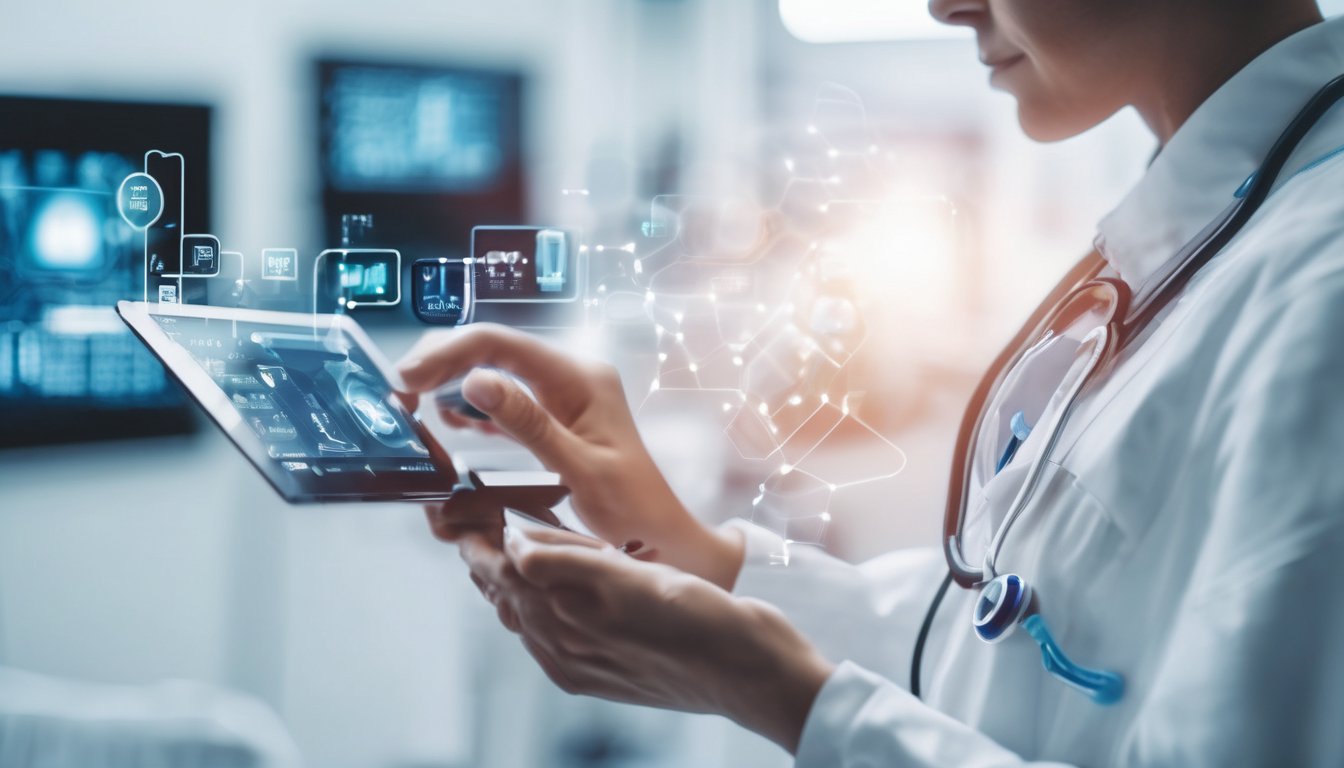
The healthcare industry is undergoing a profound transformation, driven largely by the advent of the Internet of Things (IoT). With smart devices becoming more prevalent, healthcare providers are leveraging these technologies to enhance patient care, streamline operations, and improve overall outcomes. IoT applications are paving the way for innovative solutions that allow for real-time data collection and analysis, ultimately leading to better healthcare experiences for both patients and providers.
The Role of IoT Devices in Healthcare
IoT devices are equipped with sensors and software that connect to the internet, allowing them to collect and share data. In healthcare, these devices serve various functions, including:
- Remote Patient Monitoring: Devices like wearables can track vital signs such as heart rate, blood pressure, and glucose levels, providing healthcare professionals with continuous data about their patients’ health.
- Smart Medical Equipment: Advanced medical devices can automatically send alerts to healthcare providers when a patient’s condition changes, facilitating timely interventions.
- Medication Management: IoT applications can remind patients to take their medications, monitor adherence, and alert caregivers if doses are missed.
Each of these applications significantly contributes to enhancing patient care, making healthcare more proactive than reactive.
Benefits of IoT in Healthcare
Integrating IoT applications in healthcare brings numerous benefits that are reshaping patient care. Here are some key advantages:
1. Improved Patient Outcomes
With continuous monitoring capabilities, healthcare providers can detect health issues early, leading to timely interventions. This proactive approach can reduce hospitalization rates and improve patient outcomes.
2. Enhanced Patient Engagement
Smart devices empower patients by allowing them to take control of their health. With access to real-time health data, patients become more engaged in their care journey, leading to better adherence to treatment plans.
3. Cost Reduction
By minimizing unnecessary hospital visits and optimizing treatment plans, IoT applications can significantly lower healthcare costs. For instance, remote monitoring can reduce the need for in-person consultations, saving both time and resources.
4. Streamlined Operations
IoT devices can automate various administrative tasks, such as scheduling appointments and managing inventory. This automation enhances operational efficiency, allowing healthcare providers to focus more on patient care.
5. Data-Driven Decision Making
With access to vast amounts of real-time data, healthcare providers can make informed decisions quickly. This data-driven approach improves diagnostic accuracy and treatment effectiveness.
Challenges in Implementing IoT in Healthcare
While the benefits are substantial, there are challenges associated with implementing IoT applications in healthcare:
1. Data Security and Privacy
As sensitive patient data is transmitted, ensuring data security and privacy becomes paramount. Cybersecurity threats can compromise patient information, making robust security measures essential.
2. Interoperability
Different IoT devices often use varying communication protocols, which can hinder seamless integration within existing healthcare systems. Standardization is crucial for effective data sharing.
3. High Initial Costs
Although IoT can lead to cost savings in the long run, the initial investment in devices, infrastructure, and training can be substantial. Healthcare providers must weigh these costs against potential long-term benefits.
4. Technical Expertise
Implementing IoT solutions requires technical expertise that may not be readily available in all healthcare settings. Ongoing training and support are necessary to maximize the benefits of these technologies.
Future Trends in IoT Healthcare Applications
As IoT technology continues to evolve, we can expect several trends to shape its future in healthcare:
1. Increased Use of AI and Machine Learning
Integrating AI with IoT devices can enhance data analysis, leading to more personalized and effective patient care. For example, AI algorithms can predict health events based on historical data.
2. Expansion of Telehealth Services
The rise of telehealth, accelerated by the pandemic, will continue to grow. IoT devices will play a crucial role in enabling remote consultations and ongoing patient monitoring.
3. Integration with Blockchain Technology
Combining IoT with blockchain can enhance data security and interoperability. This integration can ensure that patient data is both accessible and secure, creating a trustworthy healthcare ecosystem. For more on this, check out our article on Blockchain Use Cases Beyond Cryptocurrency.
4. Enhanced Personalization
With the wealth of data generated, healthcare providers can offer personalized treatment plans tailored to individual needs, improving patient satisfaction and outcomes.
FAQs About IoT in Healthcare
1. What types of devices are considered IoT in healthcare?
IoT devices in healthcare include wearables like fitness trackers, smart inhalers, connected blood pressure monitors, and remote monitoring systems.
2. How does IoT improve chronic disease management?
IoT devices allow for continuous monitoring of chronic conditions, enabling timely interventions and better adherence to treatment plans.
3. Are IoT devices in healthcare secure?
While IoT devices come with security risks, ongoing advancements in cybersecurity are helping to protect sensitive healthcare data.
4. Can IoT reduce healthcare costs?
Yes, by minimizing hospital visits and streamlining operations, IoT applications can lead to significant cost reductions in healthcare.
5. How can healthcare providers implement IoT solutions?
Healthcare providers can start by identifying specific needs, investing in the right technology, and ensuring staff training for effective implementation.
Conclusion
The integration of IoT applications in healthcare represents a significant leap towards improving patient care. By harnessing the power of smart devices, healthcare providers can offer more personalized, efficient, and proactive care. As technology continues to advance, the potential for IoT in healthcare is enormous.
If you’re a healthcare provider looking to enhance your services through IoT, it’s time to explore the possibilities. Embrace smart technology today and join the revolution in patient care! For more insights on technology advancements, consider reading about AI-Driven Automation and Accelerating Mobile App Development.