
Introduction
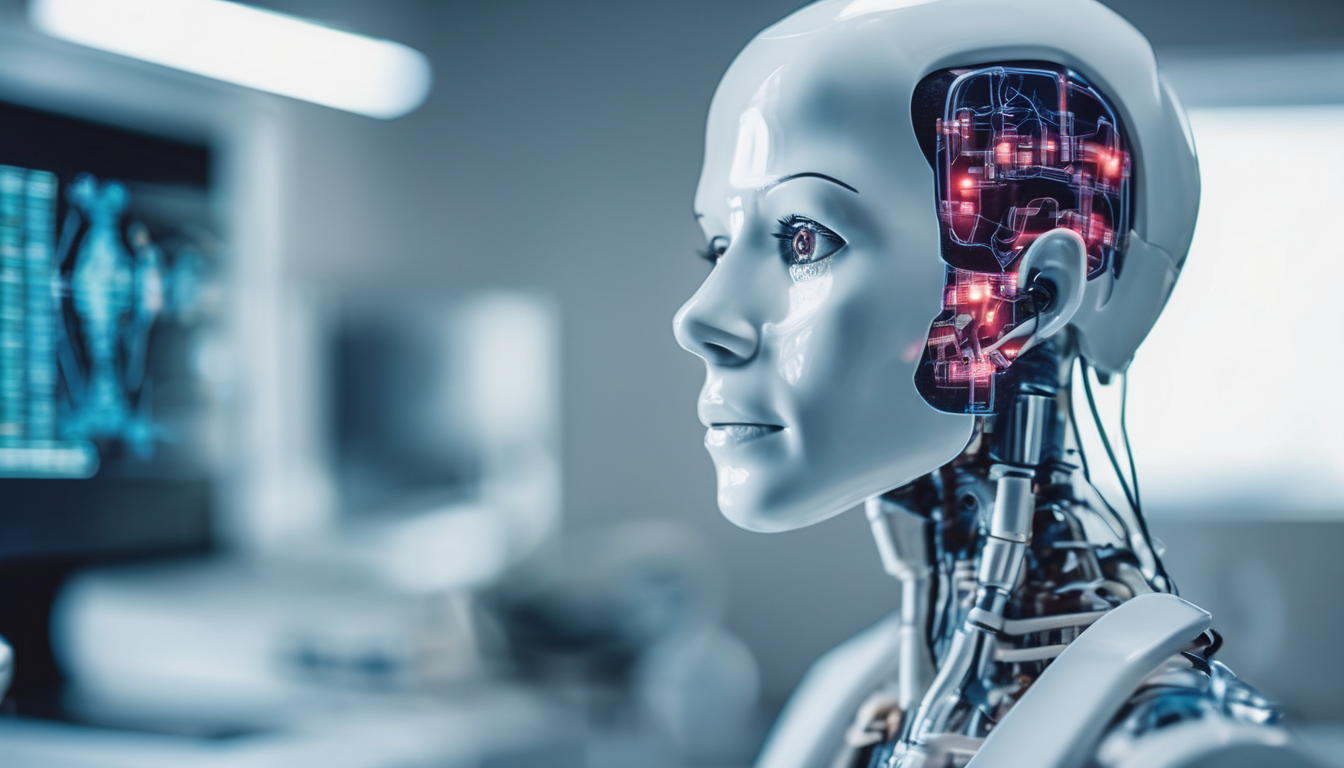
In recent years, artificial intelligence has emerged as a game-changer across various industries, and healthcare is no exception. The integration of AI technologies into medical practices is revolutionizing patient care, enhancing diagnostic accuracy, and personalizing treatment plans. As we delve into the impact of AI in healthcare, it becomes clear that these innovations are not just trends but essential tools for improving patient outcomes and streamlining healthcare processes.
The Role of AI in Patient Care
AI is transforming patient care in several significant ways. From predictive analytics to virtual health assistants, the applications are vast and varied.
1. Predictive Analytics
Predictive analytics utilizes AI algorithms to analyze vast amounts of healthcare data, enabling providers to anticipate patient needs and outcomes. Some key benefits include:
– **Early diagnosis**: Identifying diseases before they progress.
– **Resource allocation**: Optimizing staff and equipment based on predicted patient influx.
– **Customized care plans**: Tailoring treatment strategies to individual patient profiles.
2. Virtual Health Assistants
AI-powered virtual assistants, such as chatbots, are improving accessibility to healthcare services. They offer:
– **24/7 availability**: Patients can get answers to their questions at any time.
– **Symptom checking**: Guiding patients on whether to seek further medical attention.
– **Medication reminders**: Helping patients adhere to their prescribed treatment regimens.
Enhancing Diagnostics with AI
One of the most groundbreaking applications of AI in healthcare is its ability to enhance diagnostic processes. With machine learning algorithms, AI can analyze medical images and data with incredible precision.
1. Medical Imaging
AI technologies are making strides in the field of medical imaging, significantly improving the accuracy and speed of diagnoses. Here are some ways AI is being utilized:
– **Radiology**: AI algorithms can detect anomalies in X-rays, MRIs, and CT scans, often with greater accuracy than human radiologists.
– **Pathology**: Machine learning models can analyze biopsy samples, identifying cancerous cells faster and more accurately.
– **Predictive modeling**: AI can predict disease progression based on imaging data, aiding in timely intervention.

2. Electronic Health Records (EHR)
AI tools can analyze patient data from EHRs to identify trends and suggest diagnoses. Benefits include:
– **Streamlined workflows**: Reducing administrative burdens on healthcare providers.
– **Improved patient outcomes**: By providing insights that lead to better treatment decisions.
– **Error reduction**: Minimizing human errors in data entry and interpretation.
Personalized Medicine and Treatment Planning
The concept of personalized medicine is gaining traction thanks to AI technologies. By leveraging genetic information and lifestyle data, AI can help tailor treatments to individual patients.
1. Genomic Data Analysis
AI facilitates the analysis of genomic data, allowing for:
– **Targeted therapies**: Developing treatments that are specifically designed for the patient’s genetic profile.
– **Risk assessment**: Identifying predispositions to certain diseases based on genetic markers.
2. Treatment Optimization
AI can assist healthcare providers in creating optimized treatment plans by considering multiple factors:
– **Patient history**: Analyzing past treatments and their outcomes.
– **Current health status**: Adjusting treatment based on real-time data.
– **Lifestyle factors**: Incorporating individual lifestyle choices and preferences into care plans.
Challenges and Considerations
While the benefits of AI in healthcare are substantial, there are challenges that require attention:
– **Data privacy**: Ensuring patient data is protected and used ethically.
– **Integration**: Incorporating AI tools into existing healthcare systems can be complex.
– **Trust**: Building trust among healthcare professionals and patients regarding AI-driven decisions.
To address these challenges, ongoing education and collaboration between technologists and healthcare providers are essential.
Future Prospects of AI in Healthcare
The future of AI in healthcare looks promising. As technology continues to advance, we can expect:
– **Increased automation**: Streamlining administrative tasks to allow providers to focus more on patient care.
– **Enhanced collaboration**: AI will facilitate better communication between healthcare teams.
– **Broader applications**: From mental health assessments to chronic disease management, AI’s role will expand further.
FAQs
AI is used in various ways, including predictive analytics, medical imaging, virtual assistants, and personalized medicine, enhancing patient care and diagnostics.
AI improves diagnostic accuracy, speeds up image analysis, and reduces human error while helping to predict disease progression.
Yes, risks include data privacy concerns, integration challenges, and the need for trust in AI-driven decisions.
AI analyzes genetic data and individual patient information to create customized treatment plans tailored to each patient’s unique profile.
The future includes increased automation, enhanced collaboration among healthcare teams, and broader applications across various healthcare domains.
Conclusion
The transformative impact of AI in healthcare is undeniable. By enhancing patient care, improving diagnostic processes, and personalizing treatment plans, AI is set to redefine the landscape of medicine. As we move forward, embracing these technologies while addressing the associated challenges will be crucial for maximizing their benefits.
Are you ready to explore how AI can enhance your healthcare practice or organization? Start implementing AI solutions today and take the first step towards revolutionizing patient care. For more insights on technology and innovation, check out our article on content marketing strategies and discover how advancements can propel your initiatives forward.