
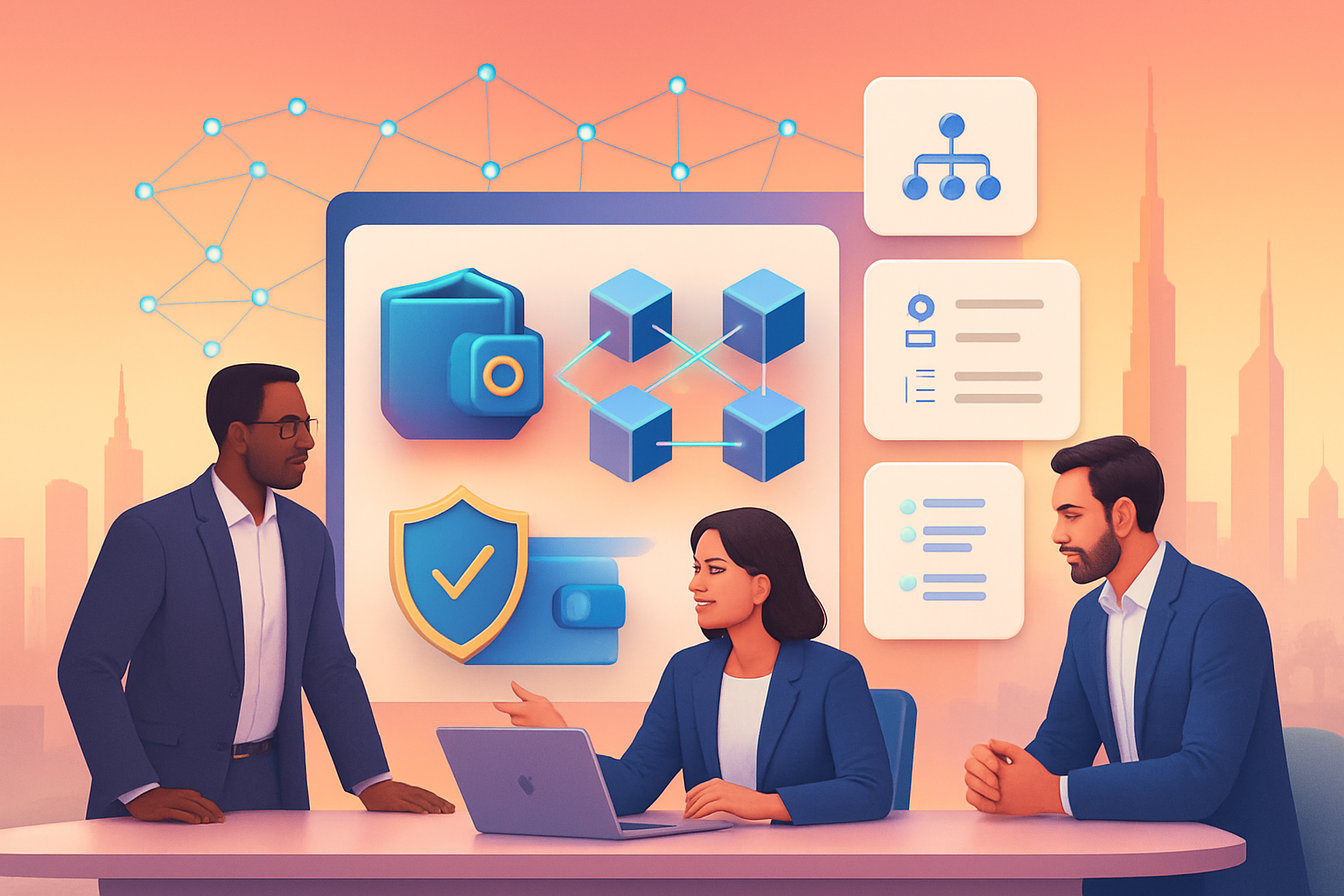
Blockchain technology is reshaping industries by enhancing transparency and efficiency, particularly in supply chain management. As businesses strive to meet consumer demands for sustainable and ethically sourced products, the need for transparent supply chains has never been more critical. The traditional supply chain is fraught with inefficiencies, opacity, and challenges in traceability. Enter blockchain: a revolutionary technology that promises to illuminate these opaque processes and drive operational efficiencies.
Revolutionizing Traceability with Blockchain
Blockchain’s ability to provide a decentralized ledger system allows for unparalleled traceability in the supply chain. By recording every transaction and movement of goods in a tamper-proof ledger, businesses can track the journey of a product from its origin to the consumer. This transparency not only helps in verifying the authenticity of goods but also in ensuring compliance with regulatory standards. For example, IBM and Maersk have collaborated on TradeLens, a blockchain-based platform that has been shown to reduce shipment times by 40% while cutting costs by 20% (source: World Economic Forum).
Enhancing Efficiency and Reducing Costs
The decentralized nature of blockchain reduces the need for intermediaries, thereby cutting down transaction costs and time delays. In a McKinsey report, companies using blockchain in their supply chain processes reported a reduction in administrative costs by up to 30%. By automating processes and eliminating paper-based documentation, blockchain enhances operational efficiency. This is particularly beneficial in industries such as pharmaceuticals, where timely and accurate information is crucial.
Building Trust through Transparency
With increasing consumer awareness and demand for ethical sourcing, blockchain offers a solution to build trust through transparency. By providing an immutable record of a product’s supply chain journey, businesses can assure consumers of the ethical and sustainable practices involved. A survey by Statista indicated that 55% of consumers are willing to pay more for products that offer full transparency. This shift represents a significant opportunity for businesses to differentiate themselves in a crowded marketplace.
Addressing Supply Chain Fraud and Counterfeiting
Counterfeiting and fraud are persistent issues in global supply chains, costing businesses billions annually. Blockchain technology can mitigate these risks by providing a secure and verifiable record of each transaction. This is particularly crucial in industries like luxury goods and electronics, where authenticity is paramount. A study by Gartner suggests that implementing blockchain can reduce counterfeiting risks by up to 50% in these sectors.
Practical Framework for Implementing Blockchain in Supply Chains
- Identify Key Areas: Assess which parts of your supply chain would benefit most from increased transparency and efficiency.
- Choose the Right Platform: Select a blockchain platform that aligns with your business needs and regulatory requirements.
- Integrate with Existing Systems: Ensure seamless integration with current supply chain management systems for a smooth transition.
- Train and Educate Stakeholders: Provide necessary training to stakeholders involved in the supply chain to maximize the benefits of blockchain.
- Monitor and Evaluate: Continuously monitor the performance and impact of blockchain implementation to identify areas for improvement.
How PyraMindz Approaches This
At PyraMindz, we leverage our expertise in Blockchain & Web3 to enhance supply chain transparency and efficiency. Our approach integrates AI-driven analytics with IoT solutions to provide holistic, real-time visibility into supply chain operations. By partnering with us, businesses can simplify, automate, and scale their operations, ensuring they remain competitive in today’s digital landscape. Explore our IoT solutions to see how we can transform your supply chain management.
Conclusion
Blockchain technology is a game-changer for supply chain management, offering increased transparency, efficiency, and trust. As industries continue to evolve and consumer expectations rise, adopting blockchain could be the key to unlocking new levels of operational excellence. By embracing this innovation, businesses not only enhance their competitive edge but also contribute to a more sustainable and ethical global supply chain ecosystem.