
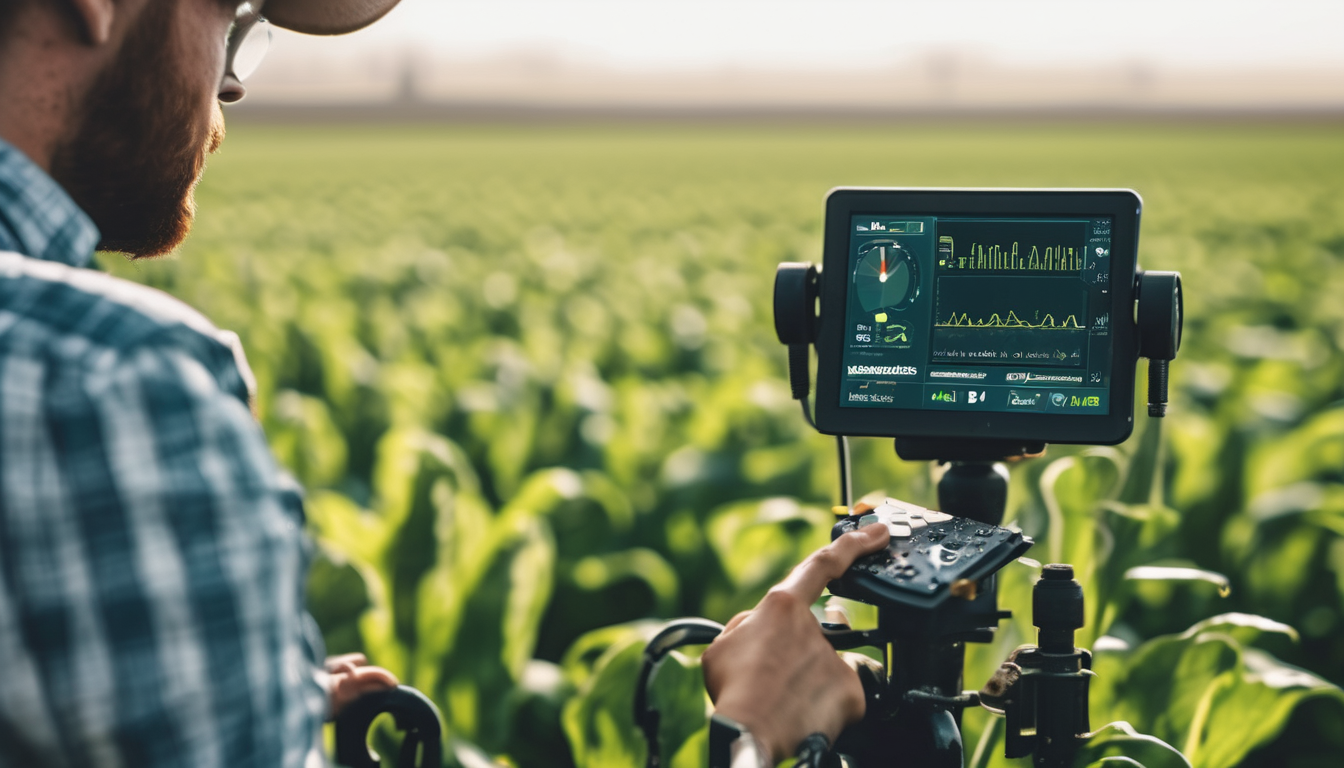
The agricultural sector is experiencing a transformative shift, driven by the integration of technology into traditional farming practices. Among the most significant advancements is the use of Internet of Things (IoT) sensors, which are revolutionizing how farmers monitor, manage, and optimize their crops and resources. This innovative approach, often termed precision farming, leverages real-time data to enhance yield, reduce waste, and promote sustainable practices.
Understanding IoT and Its Role in Agriculture
IoT refers to the network of interconnected devices that communicate and share data with one another. In agriculture, IoT sensors collect various data points that can inform decision-making, from soil conditions to weather patterns. This technology enables farmers to implement precision farming techniques, which rely on data-driven insights to optimize agricultural practices.
Types of IoT Sensors Used in Agriculture
Different types of IoT sensors are employed in agriculture, each serving a unique purpose:
- Soil Moisture Sensors: These sensors monitor soil moisture levels, helping farmers determine when to irrigate crops.
- Weather Sensors: Collect data on temperature, humidity, and wind speed, allowing farmers to adapt their practices based on environmental conditions.
- Crop Health Sensors: Utilize multispectral imaging to assess plant health, detecting issues like disease or nutrient deficiencies.
- Pest Detection Sensors: Identify pest infestations early, enabling timely interventions.
The Benefits of Precision Farming
Integrating IoT sensors into farming practices offers numerous benefits, making it a compelling choice for modern agriculture. Here are some key advantages:
1. Enhanced Resource Management
One of the primary goals of precision farming is to optimize resource use. IoT sensors provide data that helps farmers make informed decisions on:
- Irrigation: Only watering when necessary reduces water waste and ensures healthy crops.
- Fertilization: Applying fertilizers based on soil nutrient data minimizes chemical runoff and enhances soil health.
- Pesticide Application: Targeting pest control efforts reduces chemical use and promotes environmental sustainability.
2. Increased Crop Yields
By monitoring factors such as soil health and weather conditions, farmers can maximize their crop yields. IoT sensors enable:
- Timely Interventions: Addressing issues such as pests or diseases promptly can prevent crop loss.
- Data-Driven Decisions: Farmers can implement practices based on empirical data, leading to better outcomes.
3. Cost Efficiency
Implementing precision farming techniques can lead to significant cost savings. Key areas of savings include:
- Labor Costs: Automating certain tasks reduces the need for manual labor.
- Input Costs: Reducing water, fertilizer, and pesticide usage lowers overall expenses.
4. Environmental Sustainability
Precision farming practices contribute to a more sustainable agricultural model by:
- Reducing Waste: Efficient use of resources minimizes waste and environmental impact.
- Promoting Biodiversity: Healthier ecosystems are supported through reduced chemical usage and better land management.
Challenges in Implementing IoT in Agriculture
While the benefits of IoT sensors are substantial, there are challenges to consider:
- Initial Investment: The cost of implementing IoT technology can be a barrier for some farmers.
- Data Management: Handling and interpreting data from multiple sensors can be complex.
- Connectivity Issues: In rural areas, reliable internet connectivity can be a significant hurdle.
Real-World Applications of IoT Sensors in Agriculture
Several case studies exemplify how IoT sensors are currently being used in agriculture:
- Smart Irrigation Systems: Farmers use soil moisture sensors to automate irrigation schedules, significantly reducing water consumption.
- Precision Livestock Farming: Sensors monitor livestock health and location, improving overall farm management.
- Crop Monitoring Systems: Drones equipped with IoT sensors provide real-time aerial data on crop health and growth.
Future Trends in IoT and Agriculture
As technology continues to evolve, several trends are likely to shape the future of IoT in agriculture:
- Integration with Artificial Intelligence: AI algorithms will enhance data analysis, leading to even more precise farming techniques.
- Advanced Data Analytics: IoT sensors will provide vast amounts of data, enabling predictive analytics for better planning.
- Sustainable Practices: The focus on sustainability will drive further innovations in resource management.
Conclusion
The integration of IoT sensors in agriculture is transforming farming practices, paving the way for precision farming techniques that enhance efficiency, sustainability, and productivity. By leveraging real-time data, farmers can make informed decisions that lead to better crop management, reduced resource usage, and ultimately, a healthier planet. As technology continues to advance, the potential for IoT in agriculture is limitless. If you’re curious about how to implement these practices or want to learn more about the technological trends reshaping industries, explore our resources on AI for Cybersecurity, Innovative Graphic Design Trends, and Blockchain’s Impact.
FAQs
IoT sensors in agriculture are devices that collect data on various parameters such as soil moisture, weather conditions, and crop health, enabling farmers to make data-driven decisions.
By providing real-time data, IoT sensors help farmers identify issues quickly, optimize resource use, and implement timely interventions, leading to increased crop yields.
Yes, challenges include the initial investment cost, data management complexities, and potential connectivity issues in rural areas.
Precision farming is an agricultural practice that uses data-driven insights to optimize farming operations, enhance productivity, and promote sustainability.
Farmers can start by researching suitable IoT sensors for their specific needs, exploring funding options, and partnering with technology providers for implementation.