
Introduction
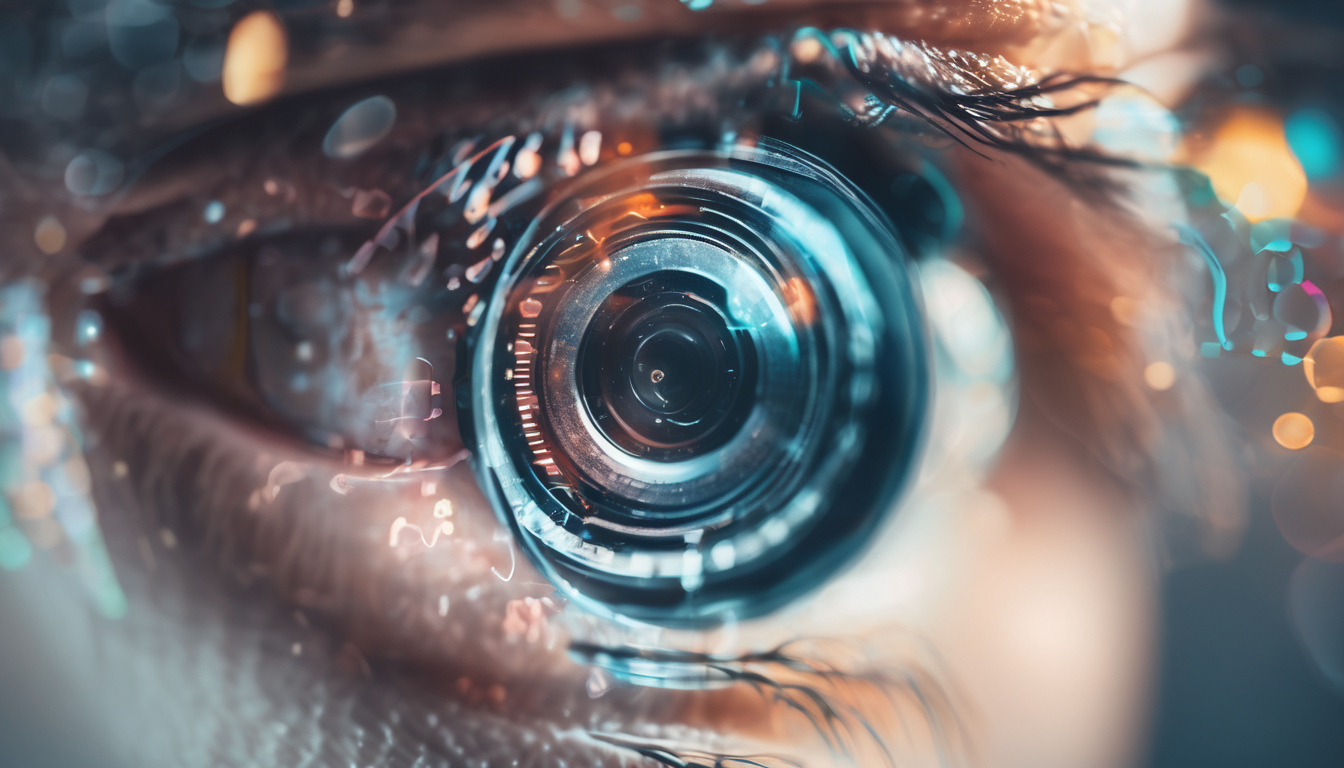
In the ever-evolving world of graphic design, the integration of artificial intelligence (AI) has sparked a revolution that challenges traditional creative processes. While AI technologies bring efficiency and innovative capabilities to the table, the essence of human creativity remains irreplaceable. As designers navigate this new landscape, the art of balancing AI tools with their inherent creative instincts has become crucial for achieving unique and impactful outcomes. This blog delves into the synergy between AI and human creativity in graphic design, exploring techniques, tools, and strategies that empower designers to harness the best of both worlds.
Understanding AI in Graphic Design
AI technologies have made significant strides in graphic design, providing tools that enhance productivity and creativity. Here are some key areas where AI has made an impact:
1. Automated Design Generation
AI-driven platforms can generate design layouts, logos, and even entire branding packages in a fraction of the time it takes a human designer. Tools like Canva and Adobe Sensei utilize machine learning algorithms to analyze design trends and suggest aesthetically pleasing compositions.
2. Image Recognition and Manipulation
AI algorithms can analyze images and suggest edits, making it easier for designers to enhance visuals without extensive technical skills. Applications such as Photoshop’s Neural Filters allow for quick adjustments and artistic transformations.
3. Predictive Analytics
By analyzing user data, AI tools can predict design trends, helping designers stay ahead of the curve. This data-driven approach enables the creation of designs that resonate with target audiences more effectively.
Emphasizing Human Creativity
While AI tools offer numerous advantages, the unique touch of human creativity cannot be overlooked. Here’s why human input remains essential in graphic design:
1. Emotional Connection
Design is not just about aesthetics; it’s also about storytelling and evoking emotions. Human designers can infuse their work with personal experiences and cultural insights, creating designs that resonate on a deeper level.
2. Originality and Innovation
AI can replicate and analyze existing designs, but it lacks the ability to think outside the box. Human creativity fosters innovation and originality, leading to groundbreaking designs that AI cannot produce.
3. Contextual Understanding
Understanding the nuances of a brand’s voice, values, and audience is crucial for effective design. Human designers can interpret these subtleties, ensuring that the final product aligns with the client’s vision and goals.
Blending AI and Human Creativity
The key to successful graphic design in today’s landscape lies in effectively combining AI tools with human creativity. Here are some strategies to achieve this balance:
1. Use AI for Inspiration
Rather than relying solely on AI-generated designs, use these tools as a source of inspiration. Explore design suggestions and adapt them to create something uniquely yours. This approach allows you to leverage efficiency while maintaining a personal touch.
2. Iterative Design Process
Incorporate AI tools in the iterative design process. Start with AI-generated drafts, then refine and enhance them based on your creative instincts and feedback from peers. This collaboration between AI and human input can lead to exceptional results.
3. Continuous Learning
Stay updated on the latest AI advancements and tools in graphic design. Online courses, webinars, and workshops can enhance your skills and help you understand how to integrate AI into your workflow effectively. For instance, exploring innovations in AI-powered website development tools can provide insights into new design capabilities.
4. Foster Collaboration
Encourage collaboration between designers and AI specialists. Working together can help designers better understand how to leverage AI tools and create a workflow that maximizes creativity and efficiency.
Challenges and Considerations
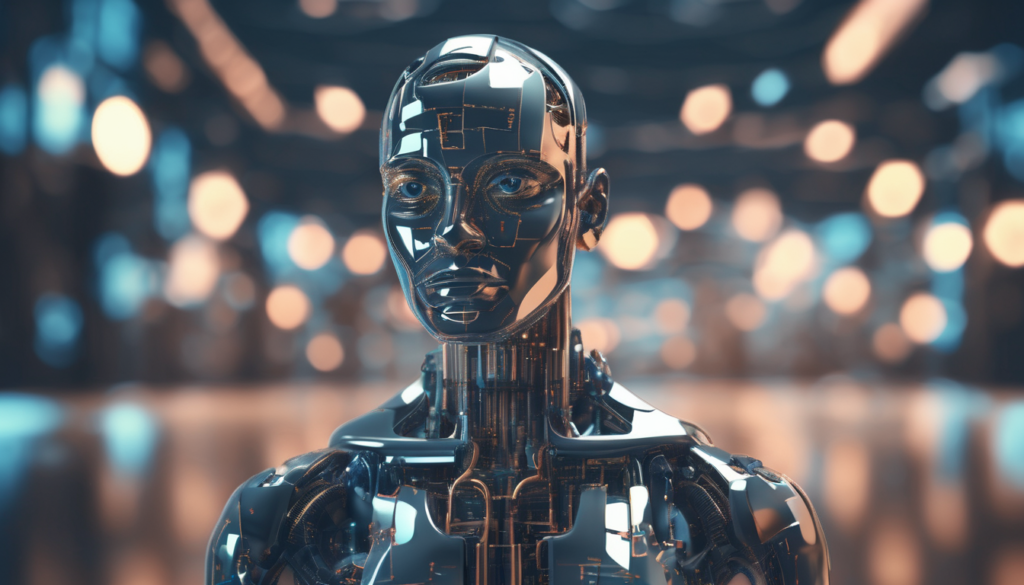
While the fusion of AI and human creativity offers exciting possibilities, it also presents certain challenges:
1. Over-reliance on Technology
One of the risks is becoming overly dependent on AI tools, potentially stifling creativity. It’s important to strike a balance and not let technology overshadow unique design perspectives.
2. Ethical Concerns
With AI-generated content, questions about originality and copyright emerge. Designers must navigate these ethical waters carefully to ensure their work remains authentic.
3. Skill Gaps
As AI tools evolve, designers may face a learning curve. Continuous education and training are essential to keep pace with technological advancements.
Future Trends in Graphic Design
The future of graphic design will likely see further integration of AI technologies. Here are some anticipated trends:
1. Enhanced Personalization
AI will enable hyper-personalized design experiences, allowing users to tailor designs based on individual preferences and behaviors.
2. Virtual and Augmented Reality (VR/AR)
The intersection of AI and VR/AR technologies will create immersive design experiences, reshaping how audiences interact with graphics.
3. Greater Accessibility
AI tools will continue to democratize design, making it accessible to individuals without formal training. This will open the door for new voices and perspectives in the industry.
FAQs
Begin by exploring user-friendly AI design tools like Canva, Adobe Sensei, and Figma. Experiment with their features and gradually integrate them into your workflow.
While AI can automate certain tasks, it cannot replicate the emotional depth and creativity that human designers bring. Instead of replacement, AI serves as a tool to enhance and support creative processes.
Focus on learning how to use AI tools effectively, stay updated on design trends, and strengthen your foundational design skills. Creativity, adaptability, and critical thinking will remain invaluable.
Yes, ethical concerns include issues of originality and copyright. Designers should ensure that their work remains authentic and respects the intellectual property of others.
Conclusion
The intersection of AI and human creativity in graphic design presents a landscape rich with opportunity. By understanding how to leverage AI technologies while nurturing their creative instincts, designers can produce remarkable work that stands out in an increasingly competitive field. Embrace the tools available, foster innovation, and continue to explore the delicate balance between technology and artistry.
Ready to enhance your graphic design journey? Dive deeper into the world of AI and creativity, and transform your design approach today!